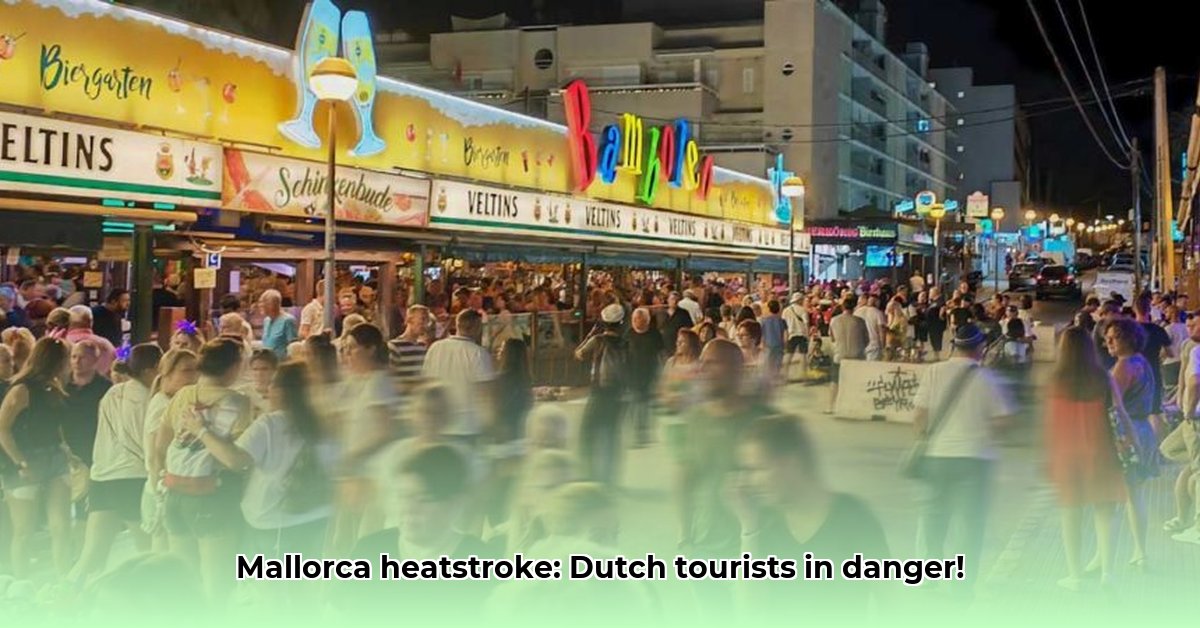
Tragic Deaths Highlight Extreme Heat Risks
Two Dutch tourists died from heatstroke in Sóller, Mallorca, a stark reminder of the dangers of extreme heat, even for seemingly healthy individuals. The deaths, occurring around 3 PM, serve as a critical warning for tourists visiting Mallorca and other hot climates. While the exact location varied slightly in initial reports – some citing the Camí de Son Sales and others nearby – the tragic outcome remains unchanged. One news source suggested this was Mallorca's first heatstroke-related fatality of 2025. (Further investigation into accurate record-keeping of heatstroke cases is needed).
Understanding the Risks
While heatstroke deaths in the Balearic Islands are uncommon (roughly ten reported since 2004, with only one in 2024), these two deaths highlight significant concerns. The fact that both victims were relatively young and active suggests a need for further investigation into contributing factors and vulnerabilities. Were these isolated incidents of exceptionally bad luck, or do they point to systemic issues such as insufficient public awareness campaigns regarding heatstroke prevention? Could improvements in tourist infrastructure, providing better access to shade and drinking water in popular spots, have made a difference? How can we better understand preventative strategies?
Key Takeaways: Preventing Heatstroke in Mallorca
- Prioritise Hydration: Dehydration is a major risk factor. Drink plenty of water throughout the day, especially before, during, and after any outdoor activities.
- Plan Wisely: Start early to avoid the midday sun. Choose shaded routes whenever possible. Avoid strenuous activity during the hottest parts of the day.
- Targeted Awareness: Improved communication about heatstroke prevention is needed, particularly for tourists from countries like the Netherlands where this kind of warning may not be widely communicated.
Immediate and Long-Term Actions
To prevent future tragedies, immediate and long-term strategies are required:
Immediate Actions (1-2 years):
- Targeted Tourist Warnings: Tourism authorities must improve communication, particularly for Dutch tourists, providing clear, concise, and practical advice in Dutch. This includes pamphlets, signage, and warnings within tourist brochures.
- Enhanced Emergency Response: Healthcare providers and emergency services need additional training in heatstroke recognition and treatment, including improved coordination and streamlined response times.
- Improved Weather Forecasts: Meteorological services should provide more accurate and readily accessible heatwave predictions through user-friendly apps and online resources.
- Guidelines for Outdoor Activities: Sports organizations and tour operators should provide clear guidelines on safe outdoor activity and encourage behaviour changes during extreme heat.
Long-Term Strategies (3-5 years and beyond):
- Comprehensive Heatwave Response Plan: Develop a detailed plan encompassing preparedness, multilingual communication, and coordinated efforts between authorities and agencies.
- Research into Risk Factors: Conduct research to identify individuals most at risk and better ways to protect them, focusing on analysis of past cases for patterns and contributing factors.
- Advanced Heatstroke Prediction: Invest in developing better meteorological models that incorporate factors like weather and tourist activity to improve risk prediction.
- Ongoing Education: Implement continuous educational efforts for both tourists and locals to promote heat safety guidelines. This should be included in all tourism marketing materials.
Staying Safe in the Heat: Practical Steps
Don't let a few steps ruin your holiday. Take charge:
- Hydration: Drink plenty of water, even before you feel thirsty.
- Timing: Avoid strenuous activity during the hottest parts of the day.
- Shade & Breaks: Seek out shade and take regular breaks to cool down.
- Appropriate Clothing: Wear light, loose clothing, a hat, and sunscreen.
- Listen to Your Body: Pay attention to signs of heat exhaustion (dizziness, nausea, headache) and seek help if needed.
The recent deaths underscore a critical need for improved safety measures in Mallorca and other popular tourist destinations with hot climates. A collaborative effort involving tourism authorities, healthcare providers, meteorological services, and tour operators is crucial to prevent future tragedies. The focus must be on clear communication, effective emergency responses, and ongoing education to ensure tourist safety.